


Colonial Acres Coins
SKU: SKU:Mega87-KB1501
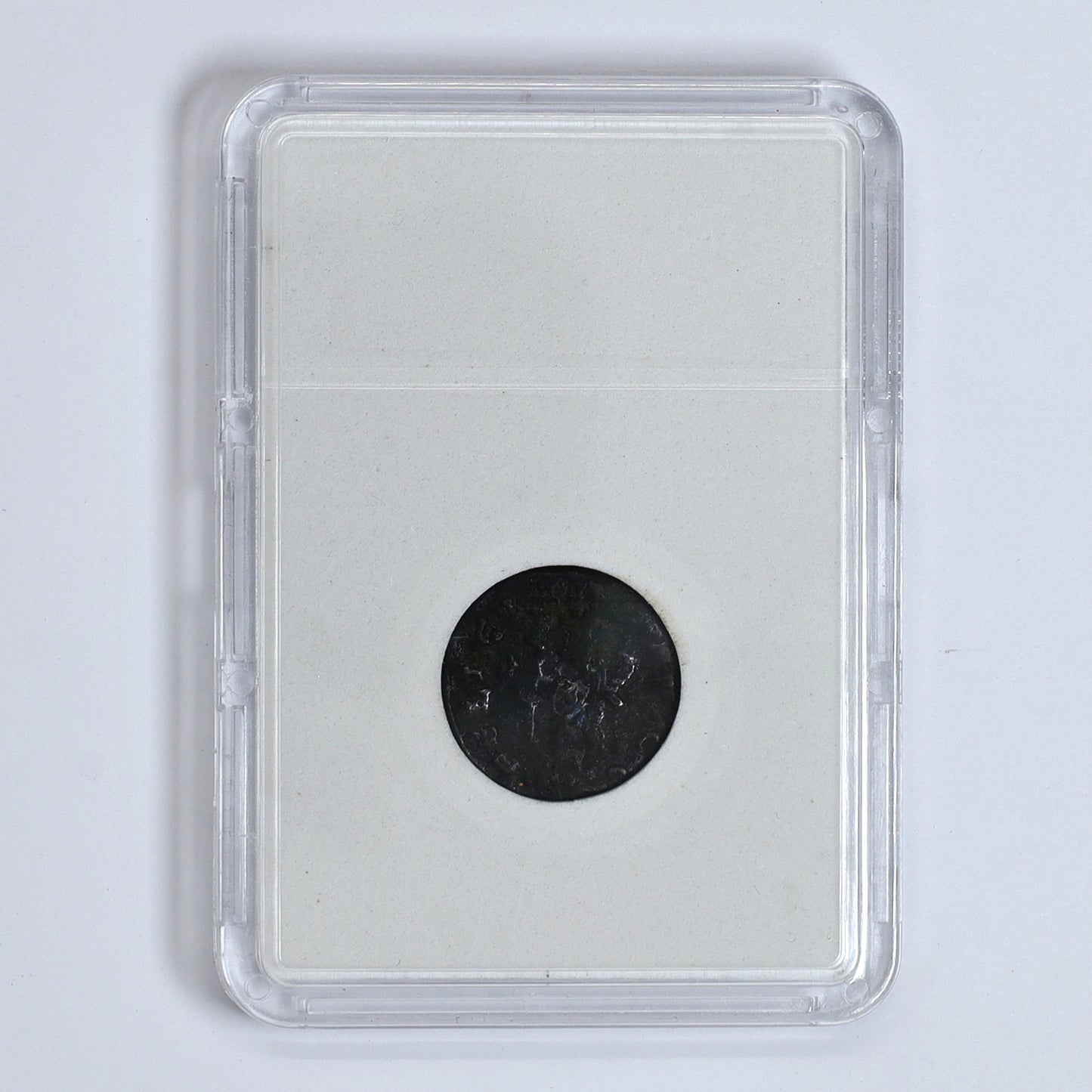
Ancient Rome 364-375 AD Valentinian I Bronze Coin
Ancient Rome 364-375 AD Valentinian I Bronze Coin
Regular price
$27.05
Regular price
Sale price
$27.05
Unit price
per
We buy at $0.00
Shipping calculated at checkout.
◎ Not Available
Couldn't load pickup availability

FREE SHIPPING OVER $500
Ancient Rome 364-375 AD Valentinian I Bronze Coin
Rome in 364 was stuck on a treadmill of military troubles. The northern frontier had been a problem since the Roman state was established, with various disunified tribes of Germanic peoples fighting to invade, immigrate, raid, resist occupation, destroy, or any combination of the above at various times and to varying degrees of success. Reprisal had a history of failure: the legions could not maneuver effectively in the densely forested north, and the decentralized nature of tribal society made eliminating enemy leaders into a game of Whack-a-Mole. By the 4th century, the problem was becoming unmanageable. There were simply too many problems plaguing the empire at the same time, and Rome's northern defences were beginning to crack under the strain.
When Jovian died, Valentinian was nobody's first choice for emperor. In fact, he was their fourth. The committee that elected him looked at this strict, bold career soldier who wrestled for fun; they shrugged and said, "Well, at least he's nearby," and gave him the purple. It ended up being a surprisingly good choice. Valentinian raised his brother, Valens, to the rank of co-emperor and put him in charge of the East. Then, he went to work on the West -- and the problem of the northern frontier. Dauntless, Valentinian finally brought the fight to the barbarians, launching huge campaigns across the Rhine and the Danube, where he won key battles and started building fortifications on the far sides of the rivers. If he had been allowed to see his plans through, there is a real possibility that the barbarian problem would have finally been solved, and the Gothic invasion that dealt Rome's final death blow would never have happened. Unfortunately for Rome, Valentinian died early and suddenly, and the empire continued on its steady decline. His cause of death: yelling obscenities at Germanic emissaries who didn't appreciate his forts caused him to suffer a fatal stroke.
Now you can bring home a piece of this tumultuous period in Roman history with this bronze coin featuring the effigy of Valentinian I. It is rough and well-worn -- but that makes it a witness to history, having seen daily use while Rome was in the final days of its glory.
Rome in 364 was stuck on a treadmill of military troubles. The northern frontier had been a problem since the Roman state was established, with various disunified tribes of Germanic peoples fighting to invade, immigrate, raid, resist occupation, destroy, or any combination of the above at various times and to varying degrees of success. Reprisal had a history of failure: the legions could not maneuver effectively in the densely forested north, and the decentralized nature of tribal society made eliminating enemy leaders into a game of Whack-a-Mole. By the 4th century, the problem was becoming unmanageable. There were simply too many problems plaguing the empire at the same time, and Rome's northern defences were beginning to crack under the strain.
When Jovian died, Valentinian was nobody's first choice for emperor. In fact, he was their fourth. The committee that elected him looked at this strict, bold career soldier who wrestled for fun; they shrugged and said, "Well, at least he's nearby," and gave him the purple. It ended up being a surprisingly good choice. Valentinian raised his brother, Valens, to the rank of co-emperor and put him in charge of the East. Then, he went to work on the West -- and the problem of the northern frontier. Dauntless, Valentinian finally brought the fight to the barbarians, launching huge campaigns across the Rhine and the Danube, where he won key battles and started building fortifications on the far sides of the rivers. If he had been allowed to see his plans through, there is a real possibility that the barbarian problem would have finally been solved, and the Gothic invasion that dealt Rome's final death blow would never have happened. Unfortunately for Rome, Valentinian died early and suddenly, and the empire continued on its steady decline. His cause of death: yelling obscenities at Germanic emissaries who didn't appreciate his forts caused him to suffer a fatal stroke.
Now you can bring home a piece of this tumultuous period in Roman history with this bronze coin featuring the effigy of Valentinian I. It is rough and well-worn -- but that makes it a witness to history, having seen daily use while Rome was in the final days of its glory.