


Colonial Acres Coins
SKU: SKU:xDOD-N119
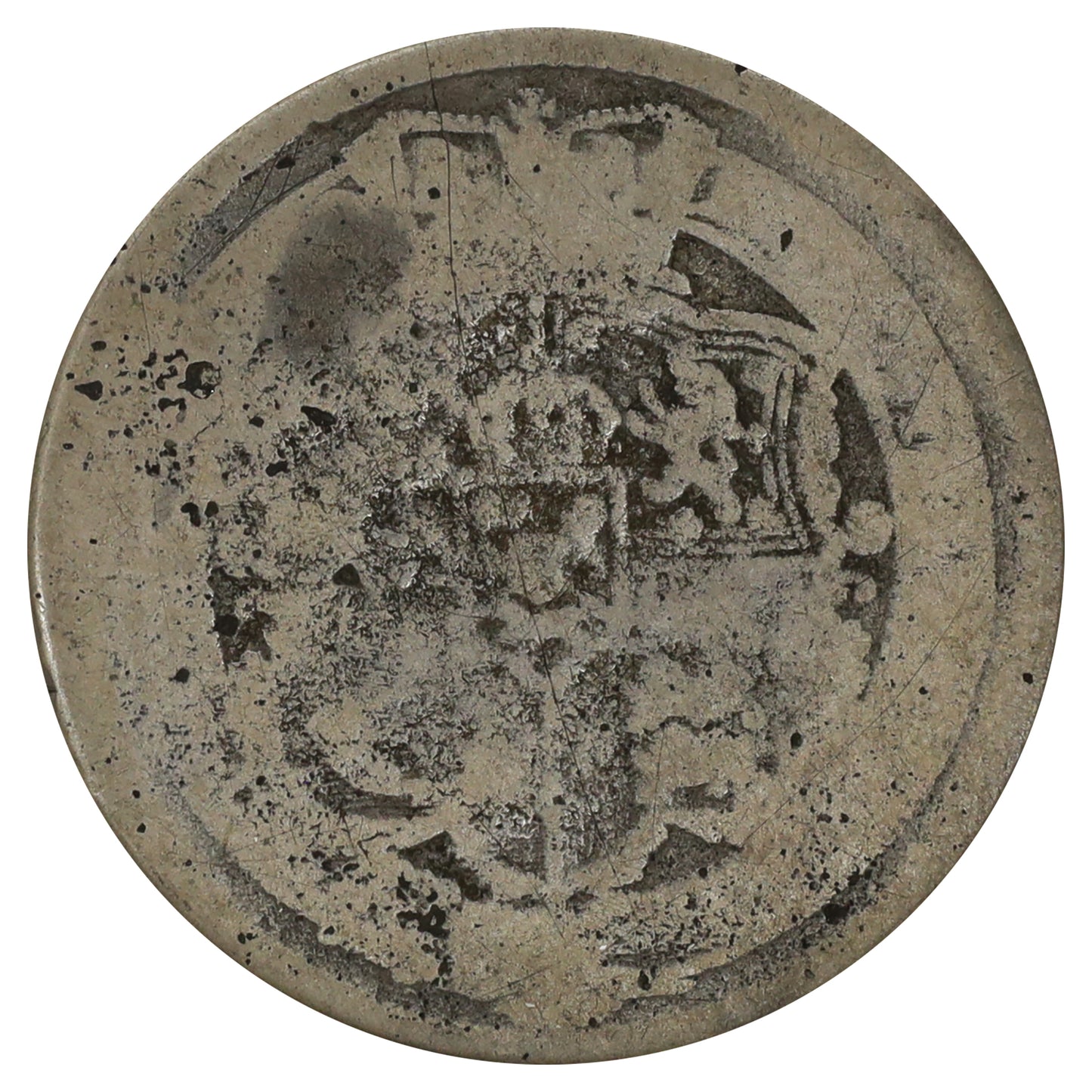
Great Britain 1820 George III Shilling About Good (AG3) DOD
Great Britain 1820 George III Shilling About Good (AG3) DOD
Regular price
$33.20
Regular price
$45.00
Sale price
$33.20
Unit price
per
We buy at $0.00
Shipping calculated at checkout.
◎ 1 Available
Couldn't load pickup availability

FREE SHIPPING OVER $500
Great Britain 1820 George III Shilling About Good (AG3) DOD
Though he's popularly remembered as the mad king who lost America, George III (1738-1820) was, when viewed outside the lens of American propagandism, a paragon of enlightenment values, a student of the natural sciences, a popular wartime leader, and an all-around decent and humble person. Reigning sixty years -- longer than any other male monarch in British history -- he steered the British Empire through the Seven Years' War, the loss of the American colonies, and the Napoleonic Wars. He was a gentle soul, remarkably empathetic, who would bathe in the kitchen to save his servants the trouble of carrying hot water, and once reacted to an assassination attempt by crying out, "Do not hurt her; she has not hurt me," before ensuring the would-be assassin was taken to the hospital. He was a devoted husband and father with a passion for farming and astronomy, and after his death, his massive collection of books became the core of the British Library. One of his popular nicknames was "Farmer George."
Unfortunately, the last decade of George's life saw him beset by mental illness (probably bipolar disorder), and his behaviour became erratic, unpredictable, and even violent. The 18th-century treatments for such illnesses, which were extremely cruel and even physically torturous, only made it worse. By 1810, he was moved into permanent seclusion in Windsor and his son, the future George IV, was effectively ruling as regent.
Though he's popularly remembered as the mad king who lost America, George III (1738-1820) was, when viewed outside the lens of American propagandism, a paragon of enlightenment values, a student of the natural sciences, a popular wartime leader, and an all-around decent and humble person. Reigning sixty years -- longer than any other male monarch in British history -- he steered the British Empire through the Seven Years' War, the loss of the American colonies, and the Napoleonic Wars. He was a gentle soul, remarkably empathetic, who would bathe in the kitchen to save his servants the trouble of carrying hot water, and once reacted to an assassination attempt by crying out, "Do not hurt her; she has not hurt me," before ensuring the would-be assassin was taken to the hospital. He was a devoted husband and father with a passion for farming and astronomy, and after his death, his massive collection of books became the core of the British Library. One of his popular nicknames was "Farmer George."
Unfortunately, the last decade of George's life saw him beset by mental illness (probably bipolar disorder), and his behaviour became erratic, unpredictable, and even violent. The 18th-century treatments for such illnesses, which were extremely cruel and even physically torturous, only made it worse. By 1810, he was moved into permanent seclusion in Windsor and his son, the future George IV, was effectively ruling as regent.