


Colonial Acres Coins
SKU: SKU:Aug.DOD-Q374
Great Britain 1247-1272 Henry III Long Cross Silver Penny (DOD)
Great Britain 1247-1272 Henry III Long Cross Silver Penny (DOD)
Regular price
$74.95
Regular price
Sale price
$74.95
Unit price
per
We buy at $0.00
Shipping calculated at checkout.
◎ 1 Available
Couldn't load pickup availability

FREE SHIPPING OVER $500
Great Britain 1247-1272 Henry III Long Cross Silver Penny (DOD)
Crowned in 1216 at the age of just nine, Henry III was the first English king to take the throne after Magna Carta, the royal charter of rights that his father, the wildly unpopular King John (of Robin Hood fame), had been forced to sign. Magna Carta limited royal power substantially, declaring that the sovereign, like everyone else, was subject to the rule of law. It also guaranteed liberties for "free men" (in practice, lords, barons, and other powerful men) and protected them from undue prosecution or exploitation by tyrannical kings. Stubbornly resistant to these new changes, Henry faffed about. He spent frivolously, failed to conquer France a few times, and bullied England's tiny Jewish population. By 1263, the baronial class had had enough. Rebellion broke out, headed by Simon de Montfort, 6th Earl of Leicester. Montfort beat Henry into submission, stripped him of his authority, and invited not just barons but minor knights and burgesses to parliament to discuss reform. For this, Montfort is often remembered as a founder of modern parliamentary democracy. Though Henry reacted with violence and Montfort was eventually killed, the practice of including men from every class of English society, rather than just barons, would become more popular under his son, Edward I, and would become the norm by the 14th century.
He may have been a wet noodle of a king, but Henry was the reason for a lot of important changes. Because of his incompetence, the importance of a parliamentary rule that could hold the sovereign accountable came into sharp focus. English kings now had to work with their people, and though it would still hit some bumps and require some ironing out, this concept would lay the foundation for modern government across the world.
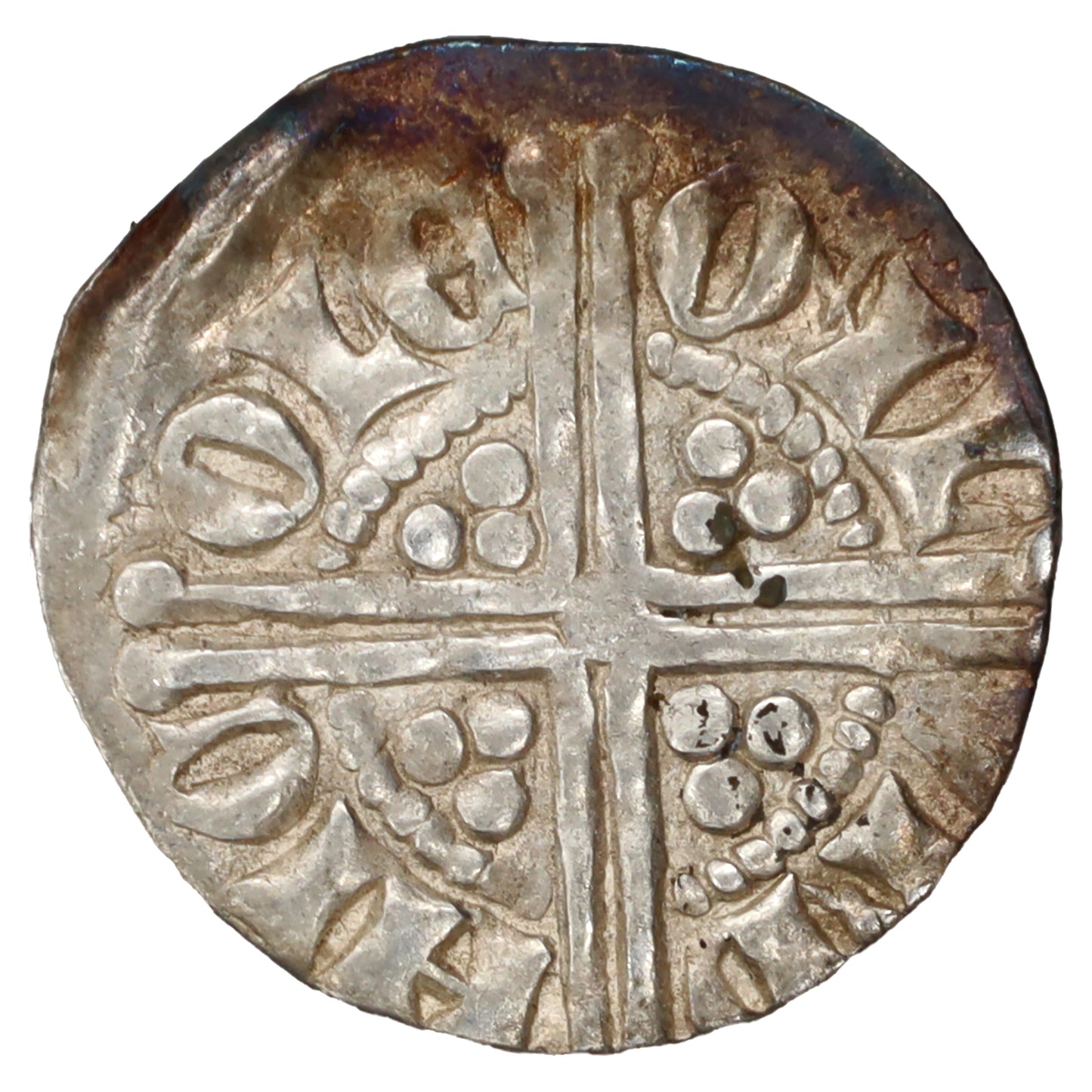
Own a piece of this fascinating time in English history by bringing home a silver penny minted under Henry III. The obverse displays the king's portrait, facing forward in a beautifully medieval style, whilst the reverse displays a "long cross" with decorative pellets in each angle.
Crowned in 1216 at the age of just nine, Henry III was the first English king to take the throne after Magna Carta, the royal charter of rights that his father, the wildly unpopular King John (of Robin Hood fame), had been forced to sign. Magna Carta limited royal power substantially, declaring that the sovereign, like everyone else, was subject to the rule of law. It also guaranteed liberties for "free men" (in practice, lords, barons, and other powerful men) and protected them from undue prosecution or exploitation by tyrannical kings. Stubbornly resistant to these new changes, Henry faffed about. He spent frivolously, failed to conquer France a few times, and bullied England's tiny Jewish population. By 1263, the baronial class had had enough. Rebellion broke out, headed by Simon de Montfort, 6th Earl of Leicester. Montfort beat Henry into submission, stripped him of his authority, and invited not just barons but minor knights and burgesses to parliament to discuss reform. For this, Montfort is often remembered as a founder of modern parliamentary democracy. Though Henry reacted with violence and Montfort was eventually killed, the practice of including men from every class of English society, rather than just barons, would become more popular under his son, Edward I, and would become the norm by the 14th century.
He may have been a wet noodle of a king, but Henry was the reason for a lot of important changes. Because of his incompetence, the importance of a parliamentary rule that could hold the sovereign accountable came into sharp focus. English kings now had to work with their people, and though it would still hit some bumps and require some ironing out, this concept would lay the foundation for modern government across the world.
Own a piece of this fascinating time in English history by bringing home a silver penny minted under Henry III. The obverse displays the king's portrait, facing forward in a beautifully medieval style, whilst the reverse displays a "long cross" with decorative pellets in each angle.