


Colonial Acres Coins
SKU: SKU:Jun.DOD-N212
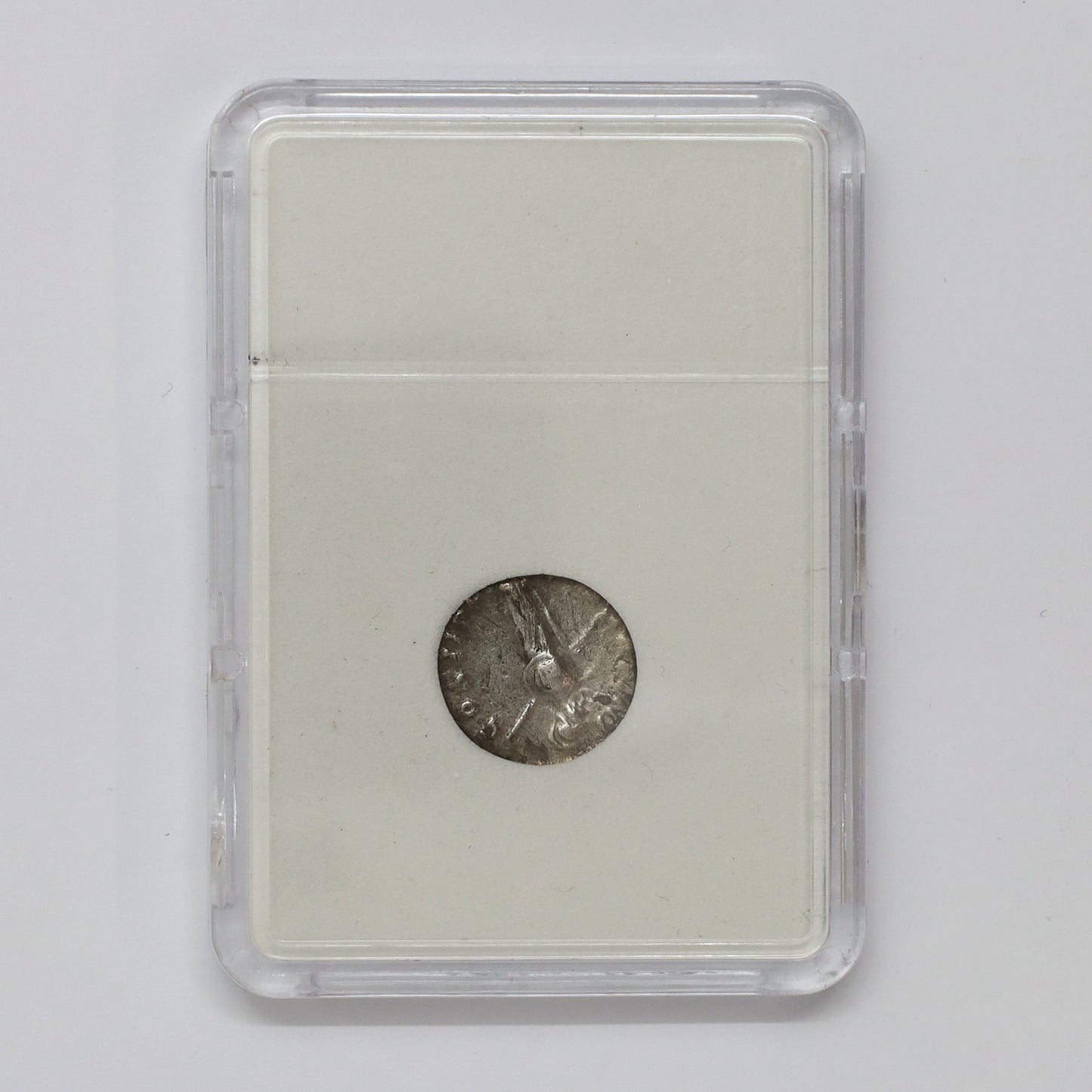
Ancient Rome 198-211 AD Septimius Severus Silver Denarius in Slab (DOD)
Ancient Rome 198-211 AD Septimius Severus Silver Denarius in Slab (DOD)
Regular price
$58.95
Regular price
$85.00
Sale price
$58.95
Unit price
per
We buy at $0.00
Shipping calculated at checkout.
◎ 1 Available
Couldn't load pickup availability

FREE SHIPPING OVER $500
Ancient Rome 198-211 AD Septimius Severus Silver Denarius in Slab
When the widely reviled emperor Commodus (of Gladiator fame) was assassinated in 192, Rome was plunged into the sort of chaos it hadn't seen in centuries. Young and childless, Commodus was succeeded by a career military man named Pertinax. Pertinax, unfortunately, did not understand that part of his job was appeasing the imperial Praetorian Guard, and they quickly assassinated him as well, just three months later. His successor lasted another two months before he was assassinated, and that guy's death caused no fewer than three more claimants to pop out of the Roman woodwork. These were Clodius Albinus, governor of Britannia, Pescennius Niger, governor of Syria, and Septimius Severus, governor of Pannonia Superior. Severus and Albinus allied against Niger, then turned on each other. When the dust settled at the close of what is now called the Year of the Five Emperors, Severus was the last man standing.
Severus was the first member of the last truly meaningful dynasty in Roman history until the rise of the Constantinians in the next century. He was also the first emperor to hail from Africa, having been born in Leptis Magna to a Libyan-Punic father and a Roman mother. Opinions on his reign are generally divided. He strengthened the army and bloodied the nose of Rome's long-time rival, the Parthian Empire, which is commemorated to this day on the Arch of Septimius Severus in Rome. He secured North Africa, Rome's breadbasket, and campaigned in Britain. These exploits, however, put a huge financial burden on an already-burdened empire. Currency was debased; the people struggled as their taxes increased. He was, as his name suggests, a severe and unkind man; his deathbed advice to his sons was, famously, "enrich the soldiers and scorn all others." He also failed to set up a definitive line of succession, leaving the empire to both of his sons, Caracalla and Geta, which went exactly as you would expect.
When the widely reviled emperor Commodus (of Gladiator fame) was assassinated in 192, Rome was plunged into the sort of chaos it hadn't seen in centuries. Young and childless, Commodus was succeeded by a career military man named Pertinax. Pertinax, unfortunately, did not understand that part of his job was appeasing the imperial Praetorian Guard, and they quickly assassinated him as well, just three months later. His successor lasted another two months before he was assassinated, and that guy's death caused no fewer than three more claimants to pop out of the Roman woodwork. These were Clodius Albinus, governor of Britannia, Pescennius Niger, governor of Syria, and Septimius Severus, governor of Pannonia Superior. Severus and Albinus allied against Niger, then turned on each other. When the dust settled at the close of what is now called the Year of the Five Emperors, Severus was the last man standing.
Severus was the first member of the last truly meaningful dynasty in Roman history until the rise of the Constantinians in the next century. He was also the first emperor to hail from Africa, having been born in Leptis Magna to a Libyan-Punic father and a Roman mother. Opinions on his reign are generally divided. He strengthened the army and bloodied the nose of Rome's long-time rival, the Parthian Empire, which is commemorated to this day on the Arch of Septimius Severus in Rome. He secured North Africa, Rome's breadbasket, and campaigned in Britain. These exploits, however, put a huge financial burden on an already-burdened empire. Currency was debased; the people struggled as their taxes increased. He was, as his name suggests, a severe and unkind man; his deathbed advice to his sons was, famously, "enrich the soldiers and scorn all others." He also failed to set up a definitive line of succession, leaving the empire to both of his sons, Caracalla and Geta, which went exactly as you would expect.